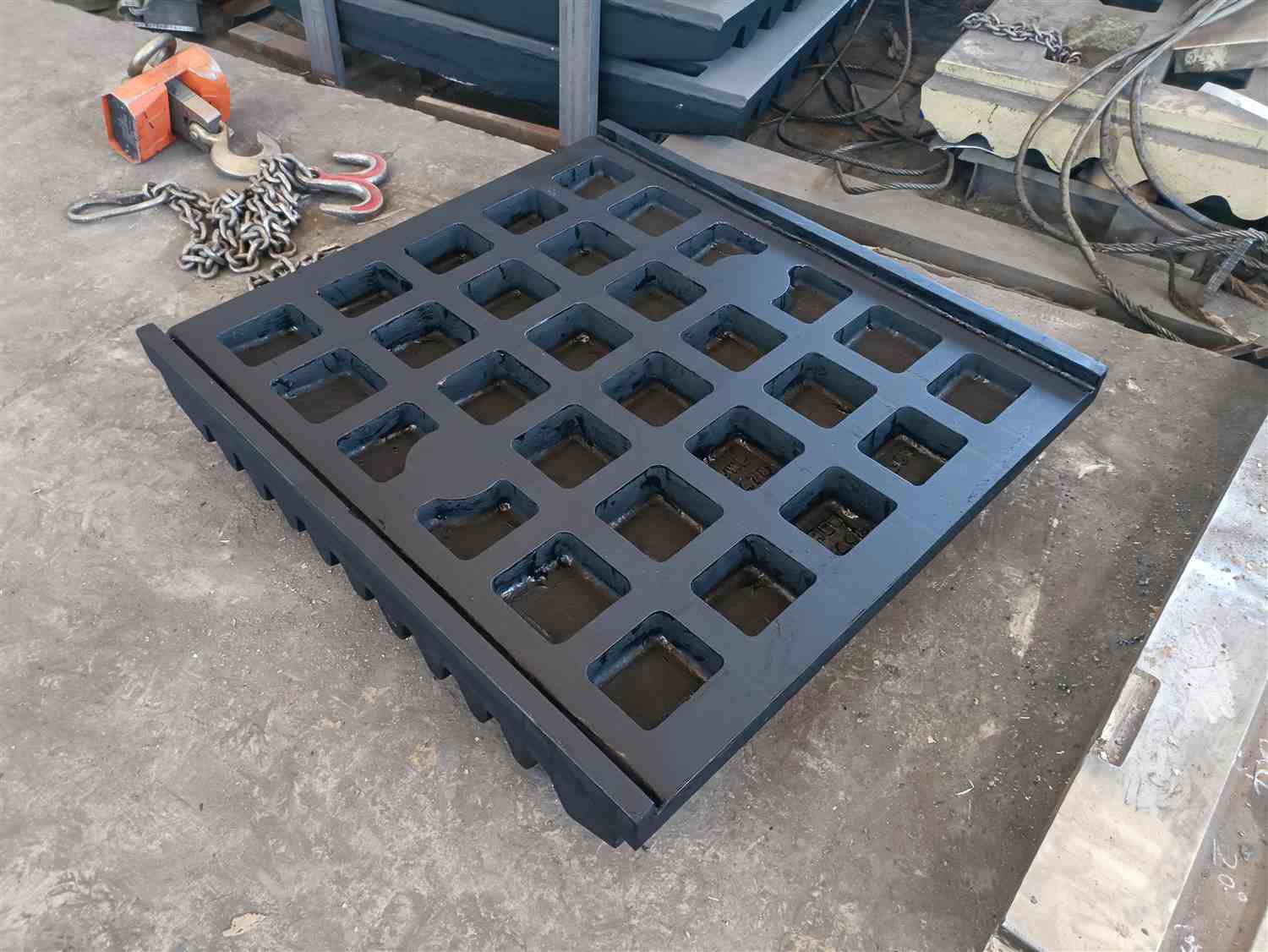
Jaw Plate
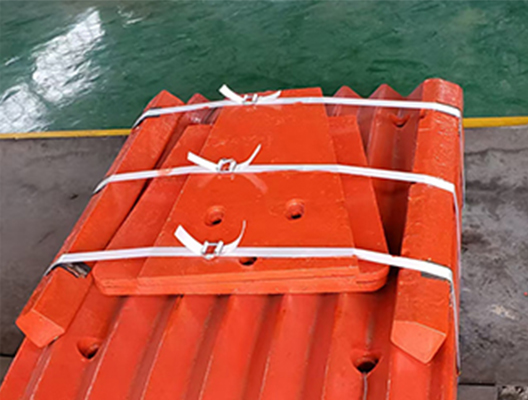
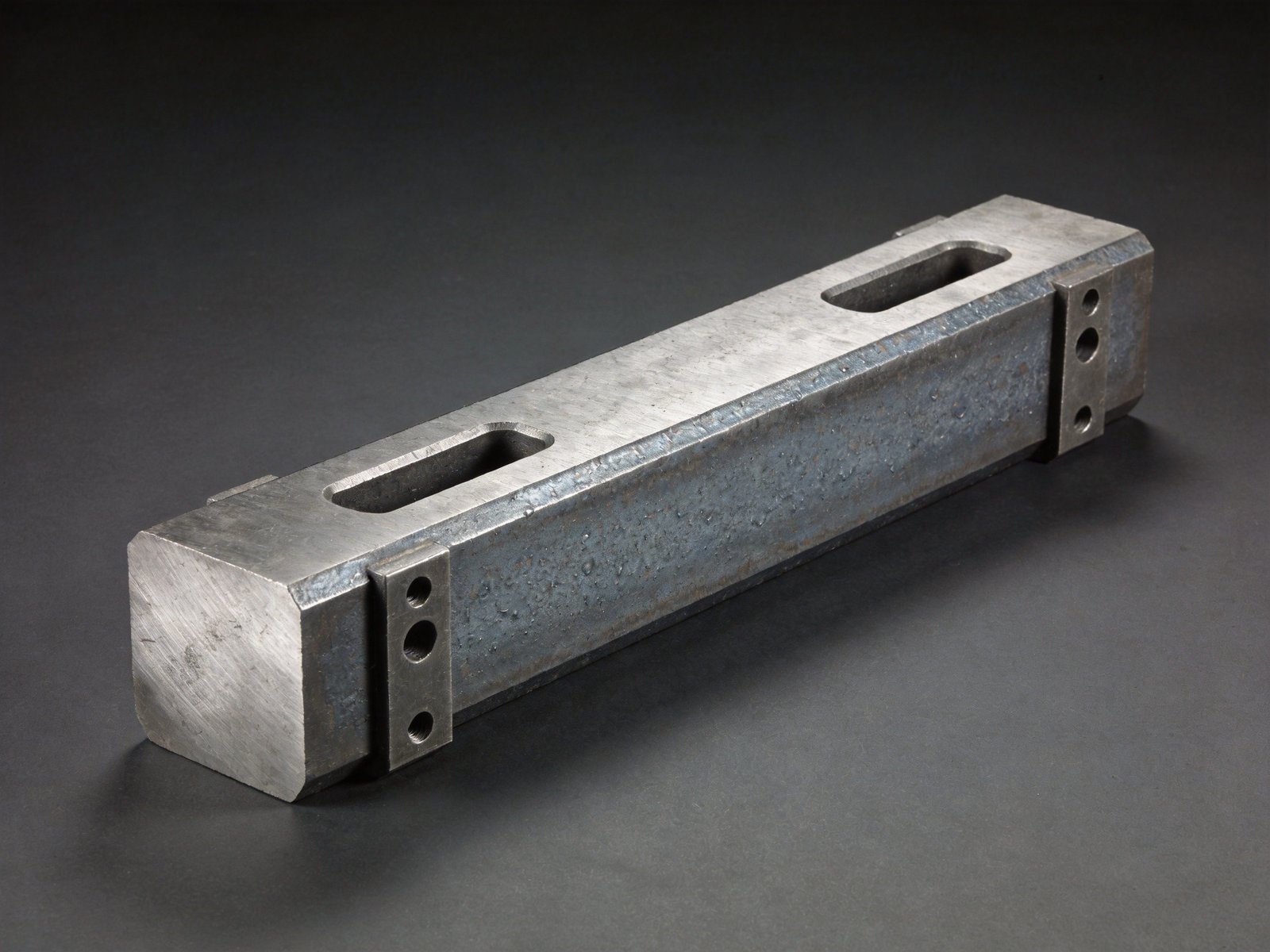
Quarry operators, mining engineers, and procurement officers constantly seek ways to reduce downtime and operational costs. When it comes to secondary and tertiary crushing, impact crusher wear parts represent a significant portion of your overall maintenance budget. If you are experiencing premature wear on your blow bars or impact plates, it is crucial to identify the root cause before simply ordering expensive replacements. Understanding the mechanics of wear can drastically lower your cost-per-ton. In this comprehensive guide, we will explore actionable troubleshooting strategies to maximize the lifespan of your impact crushing equipment and optimize your production efficiency.
Unlike compression crushers that rely on squeezing force, impact crushers use high-speed kinetic energy to shatter material against stationary anvils. This dynamic process places unique and severe stresses on the internal components. Understanding what accelerates wear is the first step toward effective cost optimization.
One of the most frequent culprits behind rapid degradation is a mismatch between the material being processed and the metallurgy of the wear parts. For example, feeding highly abrasive materials like granite, river rock, or quartzite into a crusher equipped with standard manganese blow bars will result in catastrophic wear rates. Manganese steel requires impact to work-harden; without it, it wears away rapidly. Conversely, using brittle high-chrome bars in a recycling application with hidden rebar can lead to sudden, catastrophic breakage. Furthermore, oversized feed material that exceeds the crusher’s designated capacity causes severe shock loading. This not only accelerates the wear on the blow bar but can also lead to costly rotor bearing failures.
The rotor is the beating heart of the impact crusher. If the rotor speed is set too high for the specific material characteristics, the material will be pulverized against the impact plate with excessive force. This turns the material into fine dust prematurely, wearing down the liners rapidly and reducing your yield of valuable aggregate. Conversely, a rotor that is out of balance due to uneven wear on the blow bars will cause severe vibrations. These vibrations lead to structural fatigue, accelerated bearing wear, and highly uneven wear patterns across the entire crushing chamber.
Optimizing your wear parts requires a strategic approach that balances advanced material science with precise operational adjustments.
Selecting the correct alloy is paramount for extending service life and ensuring product quality. Here is a breakdown of your primary options:
The gap between the blow bar and the impact apron dictates the final product size and the wear rate. If the apron is set too close to the rotor, the material is crushed multiple times in the “nip” zone. This generates excessive fines, wears down the impact plate unnecessarily, and consumes more power. Operators must regularly calibrate the apron settings based on the desired output gradation and the current wear profile of the blow bars to maintain optimal crushing efficiency.
Proactive maintenance is the key to stretching your operational budget, ensuring consistent product quality, and maintaining safety standards.
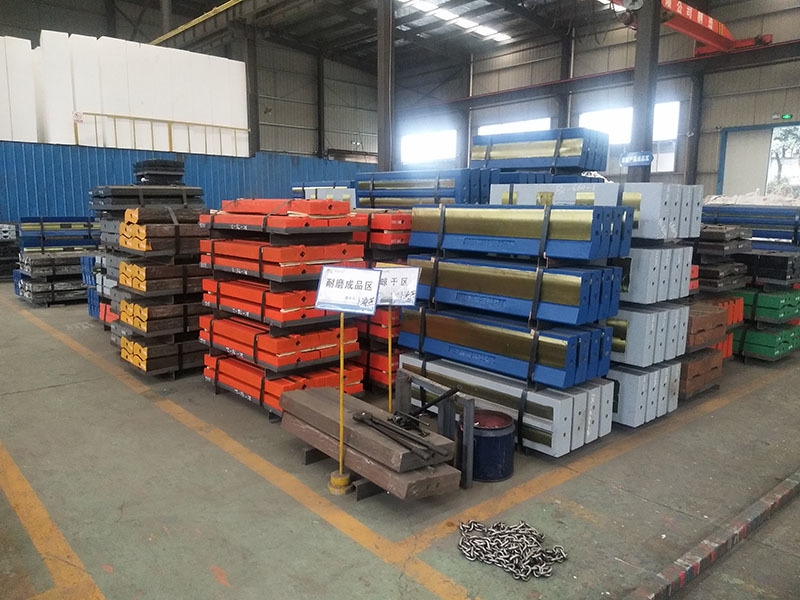
Do not wait for a blow bar to wear completely through before taking action. Implement a strict inspection schedule. Most blow bars are designed with multiple usable edges. By systematically rotating or flipping the blow bars when one edge is depleted, you ensure even wear across the rotor. Always replace blow bars in matched sets of equal weight to maintain rotor balance and prevent destructive vibrations. Additionally, ensure that the backing compound used to secure the liners is in good condition, as voids can lead to liner cracking.
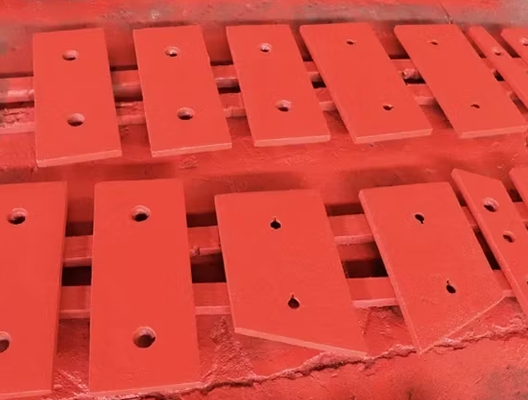
The wear patterns on your impact plates and blow bars tell a detailed story about your crusher’s health. For instance, if you notice localized, asymmetrical wear on one side of the impact plate, it indicates an uneven feed distribution. This means the material is cascading to one side rather than being distributed evenly across the full width of the rotor. Adjusting the feed chute design, installing a distribution plate, or modifying the feeder speed can correct this issue, saving your wear parts from premature, localized destruction.
Maximizing the life of your impact crusher wear parts is not just about buying the most expensive components; it is about understanding your material, maintaining your equipment, and making intelligent operational adjustments. By selecting the right metallurgy, monitoring feed sizes, and tracking wear patterns, quarry operators can drastically reduce cost-per-ton and keep their projects running smoothly. Invest time in troubleshooting and proactive maintenance today, and you will reap the rewards in long-term profitability and operational excellence tomorrow.