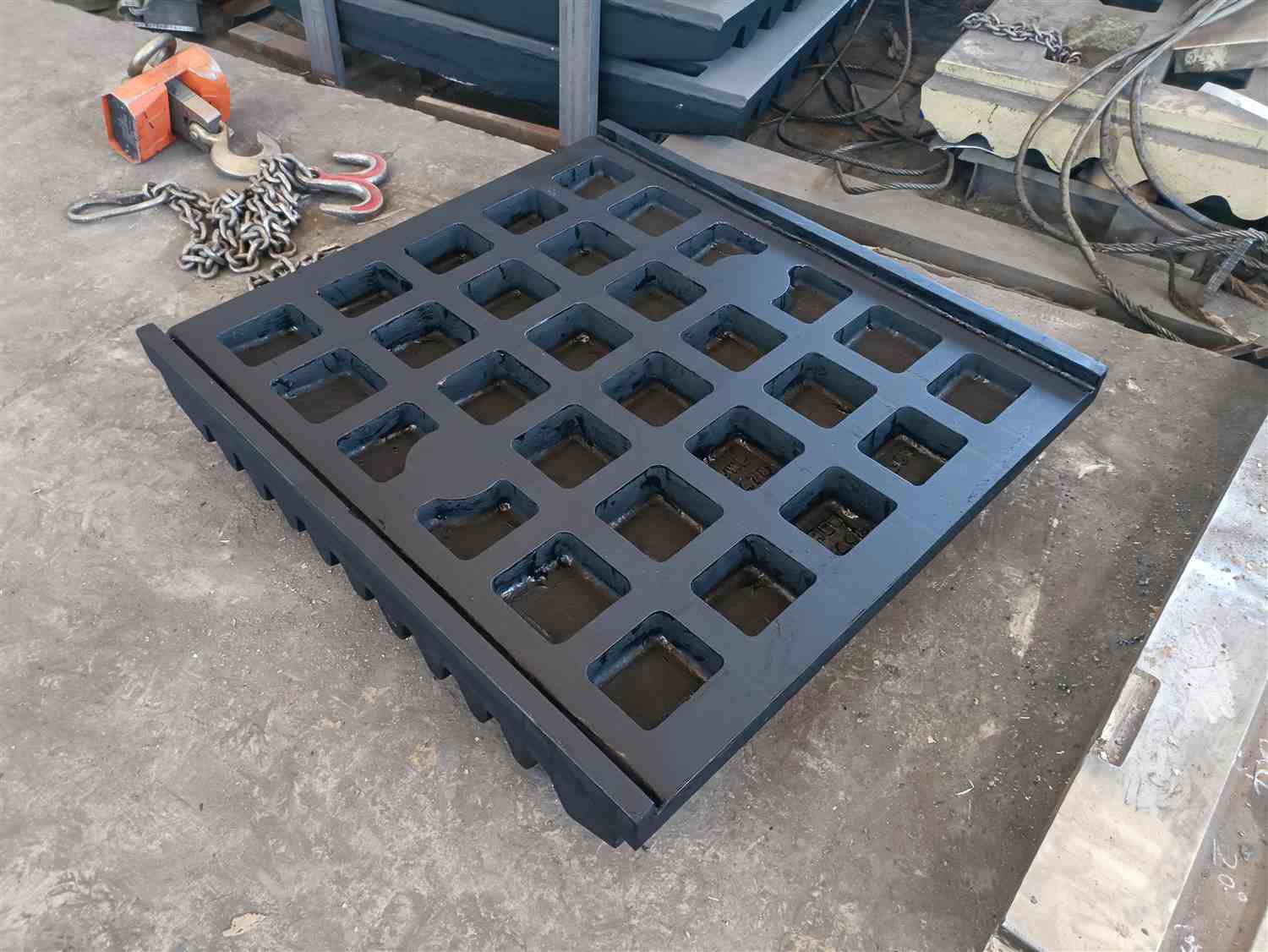
Jaw Plate
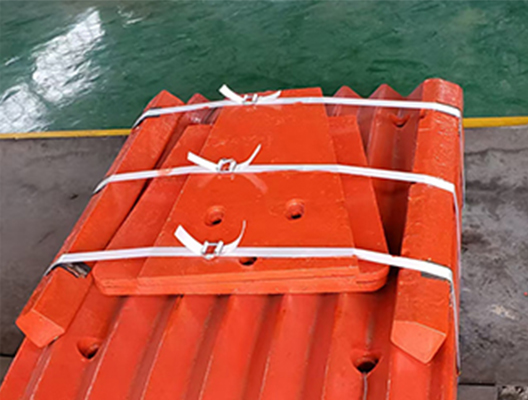
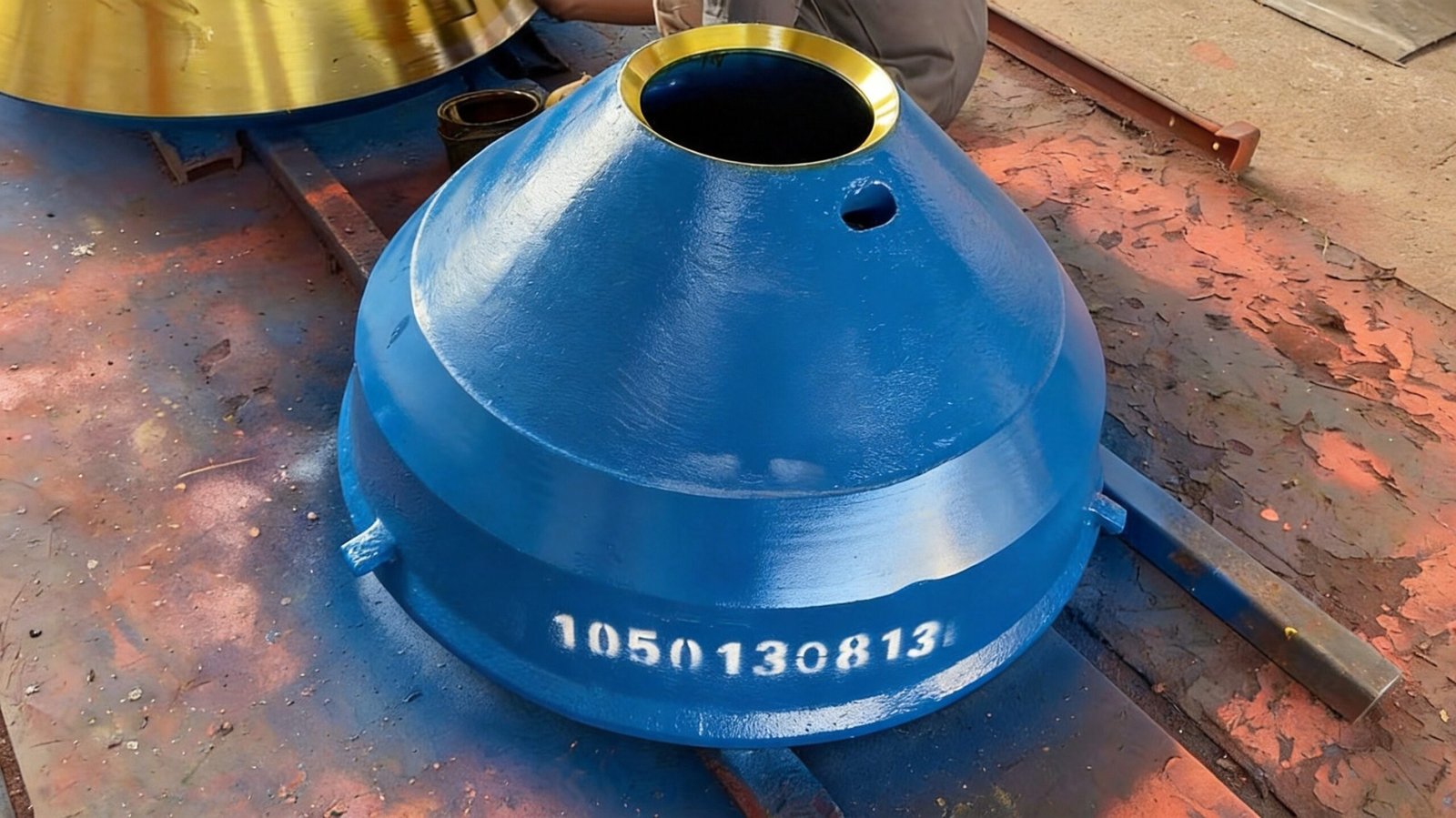
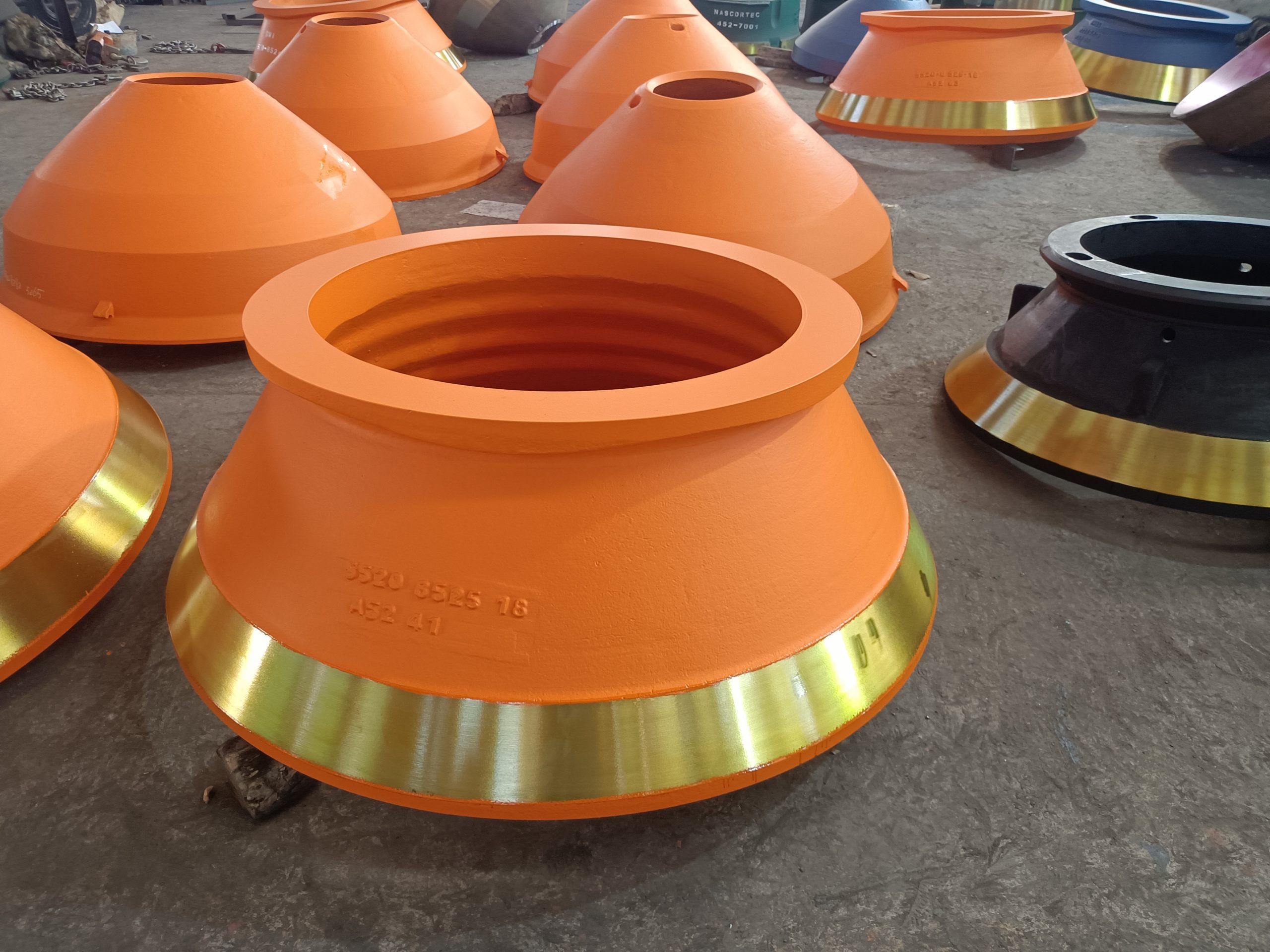
If you’re running a Metso HP200 cone crusher, you already know the mantle takes the beating. It sits right on the head assembly, rotating eccentrically against the bowl liner to crush rock into spec. Part number 1050130813 covers the standard cavity profile, available in Fine, Medium, and Coarse configurations — so depending on your feed size and desired product gradation, you pick the one that fits.
We’ve been casting mantles for Metso HP series crushers for years now. The HP200 is one of the most common mid-range models we deal with — quarries, aggregate plants, recycling operations, you name it.
The Metso HP200 is a hydraulic cone crusher that sits in the middle of the HP range. You’ll find it in:
We’ve supplied 1050130813 mantles to customers across Australia, Chile, South Africa, and India. The HP200 is popular because it’s versatile — handles everything from hard granite to softer limestone without changing the machine, just the cavity profile and material spec.
The mantle for an HP200 is typically cast in manganese steel. The two most common grades we produce are:
Here’s a real example: We had a quarry customer in Queensland running HP200s on blasted granite. They were using Mn13 mantles and getting roughly 450 hours of service life before needing a swap. We switched them to Mn18Cr2 — same dimensions, same part number 1050130813 — and they pushed past 620 hours. That’s a 38% improvement, which translated to about $8,000 saved per machine per year in reduced changeover labor and fewer shutdowns.
The key is matching the material to what you’re actually crushing. Mn13 is fine for softer stuff, but if you’re running hard rock, Mn18Cr2 pays for itself fast.
A mantle doesn’t just wear evenly and call it a day. Several things accelerate wear or cause premature failure:
Our recommendation: match the cavity profile to your top feed size. For the HP200 with part 1050130813, the Medium profile handles most quarry applications well. Go Fine only if your feed is consistently under 25mm. Go Coarse if you’re doing primary reduction from 80mm+ material.
Part 1050130813 is manufactured to Metso’s original dimensions. We use the same casting patterns based on OEM specs, so fitment on the HP200 head assembly is guaranteed. No shimming, no modifications needed.
Each mantle is checked against a dimensional inspection report before shipping. We measure the critical dimensions — outer diameter at the top and bottom, height, the keyway slot for the head ball — all to within ±0.5mm of nominal.
We’ve been making crusher wear parts for 40 years. That’s not just a number on a website — we’ve seen every failure mode there is. Mantles that crack within a shift, ones that wear unevenly because the alloy mix was off, ones that don’t fit right because the pattern was copied wrong.
We cast in our own foundry with controlled chemistry and heat treatment. Every heat gets a spectrographic analysis before pouring. Every casting gets normalized and water-toughened after cooling. It’s the same process the big OEMs use, at a fraction of the price because we’re a direct manufacturer — no middlemen, no brand markup.
If you’re running HP200s and looking at part 1050130813, feel free to reach out. We can quote you on Mn13 or Mn18Cr2, single pieces or bulk orders. If you’re not sure which cavity profile suits your feed, send us your crusher data — throughput, feed size, CSS, material type — and we’ll tell you what we’d run in your shoes.